탄소 분자체

탄소 분자체

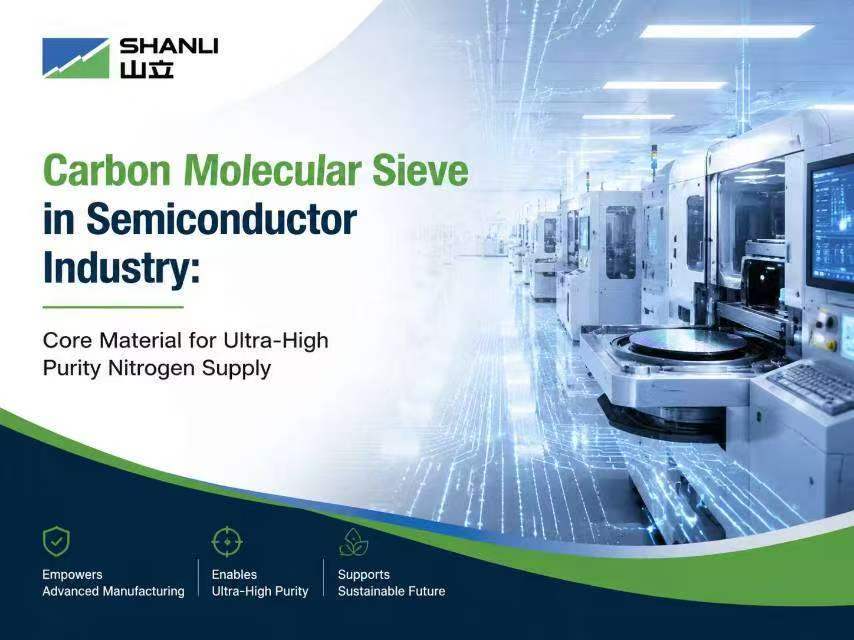
  • Carbon Molecular Sieve in Semiconductor Industry: Core Material for Ultra-High Purity Nitrogen Supply
    Carbon Molecular Sieve in Semiconductor Industry: Core Material for Ultra-High Purity Nitrogen Supply Jul 10, 2026
    Electronic and semiconductor manufacturing imposes extremely strict standards on environmental cleanliness and oxygen-free & moisture-free atmosphere. Trace oxygen, water vapor and impurities will trigger wafer oxidation, circuit defects and chip failure, severely reducing product yield. Massive, uninterrupted ultra-high-purity nitrogen is required as shielding gas, purging gas and carrier gas throughout all production processes.   On-site PSA nitrogen generation has become the mainstream gas supply solution for wafer fabs and packaging plants. Carbon Molecular Sieve (CMS) serves as the core adsorbent for accurate nitrogen-oxygen separation. Paired with post purification units, it supports stable supply of 6N ultra-high-purity nitrogen for advanced semiconductors. This article elaborates on the unique functions, application scenarios, exclusive industry advantages and selection criteria of CMS tailored to semiconductor manufacturing demands.     1.Why Ultra-High-Purity Nitrogen Is Mandatory for Semiconductor Production   Trace oxygen and moisture in air cause irreversible damage to precision semiconductor processes: Oxidation of silicon wafers, copper and aluminum circuits, leading to electric leakage and short circuits Premature exposure of photoresist, distorted line width and rough line edge roughness during lithography Residual fluorine contaminants inside plasma etching chambers, causing wafer surface defects Corrosion of ion beam equipment and ozone generates metal oxide particles that cause wafer surface scratches Oxidation, cold solder joints and poor reliability of electronic components during SMT soldering     Nitrogen is chemically inert and dry, isolating air to form a contamination-free production environment. Advanced semiconductor processes demand nitrogen purity of above 99.999% (5N and higher). Ordinary gas separation materials cannot maintain such high purity stably, high-grade special CMS is the optimal adsorbent to meet such strict purity requirements for on-site PSA nitrogen systems.     2.Core Application Scenarios of CMS PSA Nitrogen in Semiconductor Industrial Chain   2.1 Front-End Wafer Fabrication Lithography (EUV/DUV): Purge wafer stages and vacuum load locks to block oxygen and prevent premature photoresist exposure, guaranteeing nanoscale line width accuracy Dry Etching & Plasma Ashing: Chamber replacement and residual fluoride purging to avoid silicon wafer sidewall oxidation CVD & PVD Thin-Film Deposition: Carrier gas and furnace shielding gas to isolate air and prevent oxidation of copper/aluminum metal layers under high temperature Ion Implantation: Cool ion beam pipelines, suppress ozone formation and protect wafers and chamber components from corrosion Rapid Thermal Annealing: Dry nitrogen atmosphere to eliminate silicon substrate oxidation and stabilize doping uniformity   2.2 Packaging & Testing Wafer dicing, die attach and molding under nitrogen inert atmosphere to avoid bare chip oxidation Nitrogen shielding for reflow and wave soldering to reduce solder joint oxidation, voids and cold soldering Nitrogen-filled aging test chambers to isolate moisture and oxygen for stable electrical performance testing   2.3 Auxiliary Plant Scenarios Pipeline & equipment purging before maintenance to eliminate residual flammable specialty gas hazards Nitrogen blanketing for chemical and photoresist storage tanks to prevent oxidative deterioration Dry purging for cleanrooms and process chambers to maintain low dew point and dust-free standards     3.Unique Advantages of CMS PSA Nitrogen for Semiconductor Scenarios   3.1 Stable ultra-high purity output   Semiconductor-grade CMS with sub-angstrom precise pore control delivers outstanding oxygen separation selectivity. Nitrogen purity fluctuation remains minimal during long-term operation, consistently meeting 5N/6N standards for advanced processes and lowering wafer scrap rates.   3.2 Long-cycle stable performance for non-stop production   The material tolerates trace acidic and alkaline vapors and withstands high temperature within design limits, maintaining stable adsorption-desorption cycles even with trace corrosive impurities in compressed air. Its service life reaches 8–10 years under well-filtered clean compressed air supply, minimizing production shutdown losses caused by frequent material replacement.   3.3 Low dust generation to fit cleanroom standards   High mechanical strength and low-dust formulation avoid fine carbon powder release during adsorption, preventing particle contamination of wafers and precision equipment to meet Class 100/1000 (ISO 5/ISO 6) cleanroom specifications.   3.4 Energy-saving & low-carbon operation   Room-temperature pressure swing adsorption consumes far less energy than cryogenic separation. Low power consumption per cubic meter of nitrogen reduces electricity expenditure for large wafer fabs and supports low-carbon electronic manufacturing.     4.How CMS Quality Impacts Semiconductor Yield & Operation Costs   Semiconductor processes have an extremely low tolerance for gas impurities. CMS performance directly determines chip yield and equipment maintenance costs:   4.1 Superior Performance of Semiconductor-Grade High-Quality CMS Ultra-high oxygen-nitrogen separation efficiency with low air consumption to cut air compressor power costs Sustained 5N~6N ultra-high nitrogen purity without oxygen rebound over long operation cycles High particle compressive strength and anti-pulverization to avoid dust contamination in clean processes Resistance to oil stains and trace acid/alkali impurities to adapt to factory pre-filtered air sources Fast regeneration speed enables uninterrupted nitrogen supply via tower switching to match large-volume continuous production   4.2 Production Losses Caused by Inferior CMS Unqualified nitrogen purity with excessive oxygen leads to mass wafer oxidation and plummeting yield Elevated air consumption forces compressors to run at full load, increasing long-term electricity bills Pulverization generates carbon dust that blocks pipelines and pollutes wafers, raising equipment cleaning frequency Fast performance decay requires frequent production shutdowns for CMS replacement, disrupting 24/7 chip manufacturing     5.CMS Selection Standards Tailored for Electronics & Semiconductor Industry   Wafer fabs and packaging plants shall focus on industry-specific indicators during CMS procurement: Nitrogen purity standard required by different processes (5N for packaging / 6N for advanced lithography) 24-hour continuous large nitrogen flow matching total factory gas demand Anti-dust and high mechanical strength to meet cleanroom anti-contamination requirements Service life and purity stability under long cyclic pressure swing operation Low ash and low heavy metal leaching to comply with semiconductor dust-free and heavy-metal-free specifications Compatibility with large-flow industrial PSA nitrogen generators     Professional CMS suppliers can customize adsorbents for logic chips, memory chips, advanced packaging and panel manufacturing, balancing nitrogen production efficiency, purity and long-term comprehensive operating costs.     6.Conclusion   Ultra-high-purity nitrogen serves as the fundamental process gas covering wafer fabrication, packaging and testing in the semiconductor industry. As the core functional material of on-site PSA nitrogen generators, CMS enables low-cost, stable and continuous supply of ultra-high-purity nitrogen.     Premium semiconductor-specific CMS not only steadily delivers 5N~6N nitrogen to eliminate process defects induced by oxygen and moisture and boost chip yield, but also features low energy consumption, low dust and long service life to reduce overall factory expenditure on gas supply and equipment maintenance.     Whether for advanced lithography, thin-film deposition and ion implantation in front-end processes, or SMT soldering and chip packaging in back-end stages, selecting high-performance CMS matched to working conditions is a critical investment for electronic and semiconductor enterprises to guarantee product quality and realize stable mass production.
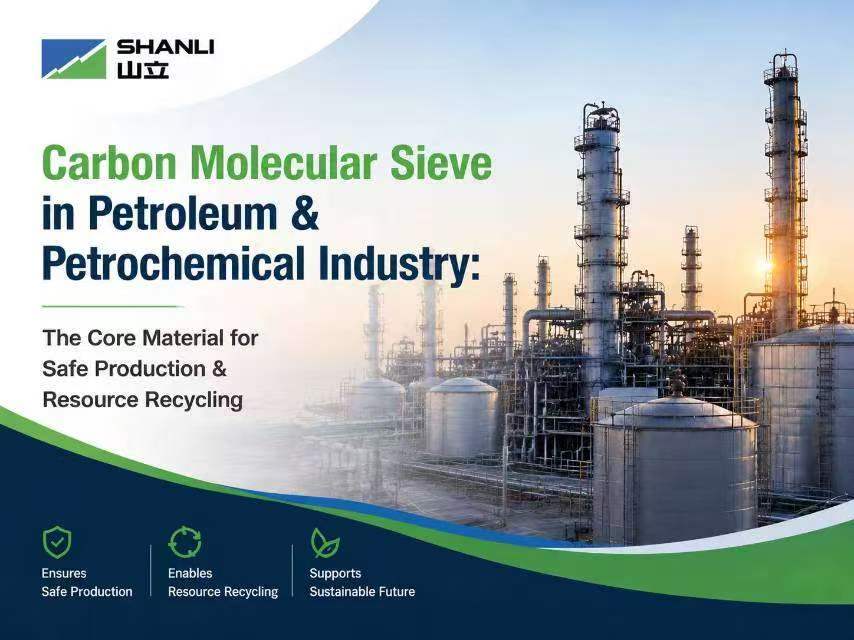
  • Carbon Molecular Sieve in Petroleum & Petrochemical Industry: The Core Material for Safe Production & Resource Recycling
    Carbon Molecular Sieve in Petroleum & Petrochemical Industry: The Core Material for Safe Production & Resource Recycling Jul 10, 2026
    Safe production and waste resource recycling are core demands of the petroleum and petrochemical sector. Oxygen in air triggers oil oxidation, spontaneous combustion, pipeline corrosion and catalyst deactivation across extraction, refining and chemical processing. High-purity nitrogen acts as a reliable inert barrier to eliminate these risks.   On-site PSA nitrogen systems have become mainstream for petrochemical plants, and Carbon Molecular Sieve (CMS) is the core adsorbent enabling on-demand nitrogen output. This article focuses on the unique application value of CMS in oil exploitation, refining safety and petrochemical gas recovery, as well as its industry-specific advantages.     1.How CMS Adapts to Petrochemical Nitrogen Production Needs   The adjustable nitrogen purity output of CMS PSA units can meet differentiated petrochemical standards, ranging from conventional purity to ultra-high purity up to 99.999% for high-risk refining links.   Compared with purchased liquid nitrogen, on-site CMS nitrogen production solves prominent industry pain points: Cut massive liquid nitrogen transportation and repeated procurement costs for large oilfield and refinery consumption Achieve 24-hour stable nitrogen supply to match continuous refining production lines Flexible flow adjustment to cope with variable nitrogen demand in oil injection, purging and sealing processes Eliminate safety risks brought by liquid nitrogen storage and tanker transportation     2.Core Application Scenarios of CMS PSA Nitrogen in Petroleum & Petrochemical Industry   2.1 Nitrogen Injection for Oilfield Production Enhancement   High-purity nitrogen produced by CMS equipment is injected into oil reservoirs to supplement formation pressure and displace residual crude oil, significantly raising the recovery rate of low-permeability and aging oilfields. It has replaced liquid nitrogen delivery as a cost-efficient conventional oil stimulation process.   2.2 Inert Isolation Safety Protection for Refining Units   Cracking, hydrogenation and catalytic reforming involve explosive, oxidizable materials. CMS nitrogen is used for tank nitrogen sealing, pipeline purging, equipment gas replacement and reactor shielding. It isolates air to prevent explosions, slow oil oxidation and extend catalyst service life, stabilizing long-term refining operation.   2.3 Petrochemical By-Product Gas Purification & Reuse   CMS separates impurities such as methane and carbon dioxide from refinery crude hydrogen, syngas and oilfield associated gas to extract high-purity hydrogen and methane for cyclic production. This cuts waste gas emissions, realizes resource recycling and lowers raw material procurement costs.   2.4 Oil & Gas Storage and Transportation Safety & Energy Conservation   Nitrogen sealing for refined oil tanks suppresses oil volatilization loss and avoids quality degradation caused by moisture intrusion. Nitrogen purging before equipment maintenance clears residual oil and gas inside facilities, eliminating construction safety hazards.     3.Unique Advantages of CMS PSA Nitrogen for Petrochemical Scenarios   3.1 Energy Saving & Cost Reduction   Room-temperature pressure swing operation consumes far less energy than cryogenic distillation and chemical absorption nitrogen making. Equipment structure is simple, with low daily operation and maintenance expenses suitable for large-volume long-cycle industrial use.   3.2 Outstanding Working Condition Adaptability   CMS features acid resistance, alkali resistance and high temperature resistance, maintaining stable separation performance under complex high-pressure, multi-impurity petrochemical environments.   3.3 Green & Low-Carbon Circular Operation   No chemical additives or secondary pollution are generated during gas separation. CMS can be regenerated and reused through pressure swing cycles with long service life, matching the industry’s low-carbon transformation goals.     4.Why CMS Quality Directly Impacts Petrochemical Operation Safety & Cost   Petrochemical production has strict standards for nitrogen purity and continuous supply, which entirely depend on CMS performance.   4.1 High-quality CMS delivers industry-specific superior performance: High nitrogen yield to satisfy large nitrogen consumption of oilfields and refineries Fast adsorption kinetics to support uninterrupted round-the-clock production Stable high nitrogen purity to meet strict safety inert protection requirements Strong mechanical strength and low dust generation, avoiding pipeline and valve blockage under complex petrochemical air sources Low air consumption to reduce long-term power expenditure Long service life to minimize production shutdown losses from frequent material replacement   4.2 Low-quality CMS will bring severe industrial losses: Substandard nitrogen purity fails safety protection standards and triggers production risks Higher air compression energy consumption increases plant electricity costs Short service cycle leads to frequent shutdown for CMS replacement Excessive dust blocks pipelines and valves, raising equipment maintenance frequency and costs     5.CMS Selection Standards Tailored for Petroleum & Petrochemical Industry   When selecting CMS for petrochemical PSA nitrogen generators, enterprises need to focus on industry-specific indicators: Nitrogen purity standard required by different working sections (oil injection, refining inert protection, gas purification) Large continuous nitrogen flow demand of full-scale production lines CMS adsorption capacity matching long-cycle uninterrupted operation Mechanical strength and anti-dust performance adapting to complex on-site air sources Service life under long-term pressure swing circulation Compatibility with large industrial PSA nitrogen making equipment     Professional CMS suppliers can customize adsorbent materials according to oilfield, refining and chemical working conditions, helping enterprises balance nitrogen production efficiency and long-term comprehensive operating costs.     6.Conclusion   Nitrogen inert protection and waste gas recycling are indispensable supporting technologies for the whole petroleum and petrochemical industrial chain. As the core adsorbent of PSA nitrogen generators, CMS enables low-cost, stable and continuous on-site high-purity nitrogen supply tailored to industrial heavy-load production.     Premium CMS not only guarantees nitrogen purity to satisfy stringent petrochemical safety specifications, but also reduces energy consumption, maintenance frequency and overall production costs, improving the stability of nitrogen supply systems for oil and chemical enterprises.     Whether for reservoir nitrogen injection, refining equipment explosion-proof isolation, by-product gas recycling or oil storage anti-volatilization protection, selecting matched high-performance CMS is a key investment for enterprises to achieve safe production, energy conservation and low-carbon upgrading.
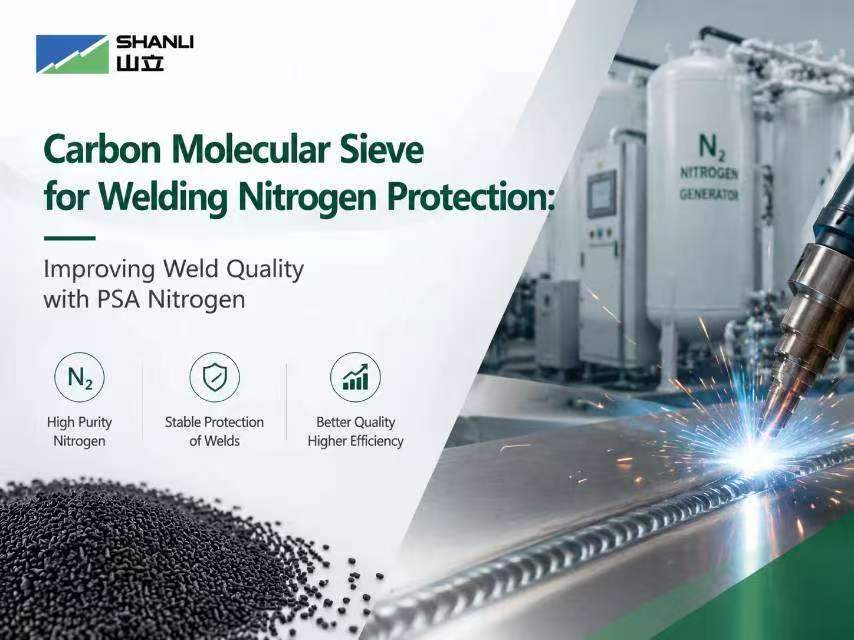
  • 용접 질소 보호용 탄소 분자체: PSA 질소를 이용한 용접 품질 향상
    용접 질소 보호용 탄소 분자체: PSA 질소를 이용한 용접 품질 향상 Jul 02, 2026
    질소는 현대 금속 가공 및 용접 공정에서 보호 가스로 널리 사용됩니다. 안정적이고 순도가 높은 질소는 용융 금속의 산화를 방지하여 더욱 깨끗한 용접부와 향상된 기계적 성능을 제공합니다. 오늘날 더 많은 제조업체들이 병에 담긴 질소를 현장 PSA 질소 발생 시스템으로 교체하고 있습니다. 탄소 분자체(CMS)생산 비용을 절감하는 동시에 지속적인 가스 공급을 보장합니다. 이 글에서는 탄소 분자체가 용접 공정에서 질소 생성을 어떻게 돕는지 설명합니다.  1. 용접에서 질소가 중요한 이유용접 과정에서 용융된 금속은 공기 중의 산소 및 수분과 빠르게 반응합니다. 적절한 차폐가 없으면 다음과 같은 결함이 발생할 수 있습니다.산화다공성변색부식 저항성 저하용접 강도 저하질소 차폐는 용접 풀 주변에 불활성 분위기를 조성하여 오염을 최소화합니다.  2. 질소를 이용한 용접 공정.  질소는 일반적으로 다음과 같은 곳에 사용됩니다:레이저 용접질소는 용접 부위를 보호하는 동시에 용접 외관을 개선합니다.TIG 용접산화 방지가 필요한 스테인리스강 및 특정 특수 합금에 사용됩니다.플라즈마 절단질소는 절삭 품질을 향상시키고 산화를 줄입니다.브레이징금속 접합에 깨끗하고 보호된 환경을 제공합니다.스테인리스강 제작부식 저항성과 표면 마감을 유지하는 데 도움이 됩니다.  3. 탄소 분자체가 질소를 생성하는 방법탄소 분자체는 압력 스윙 흡착(PSA) 방식을 사용하여 압축 공기에서 산소를 분리합니다. 이 과정에는 다음이 포함됩니다.공기압축공기 정화CMS에 의한 산소 흡착질소 수집연속 재생이 순환 과정은 화학 반응 없이 질소를 끊임없이 생산합니다.  4. 용접 시 PSA 질소 사용의 장점 4.1 운영 비용 절감현장 발전은 가스 구매 비용을 크게 절감합니다. 4.2 지속적인 공급생산은 더 이상 실린더 공급에 의존하지 않습니다. 4.3 안정적인 질소 순도PSA 시스템 공정 요구 사항에 따라 95%에서 99.999%까지의 질소 순도를 제공할 수 있습니다. 4.4 생산 효율성 향상실린더 교체로 인한 가동 중단 시간이 없습니다. 4.5 향상된 안전성고압 실린더의 운송 및 보관과 관련된 위험을 제거합니다.  5. 고품질 탄소 분자체가 중요한 이유 5.1 CMS는 다음 사항을 직접 결정합니다.질소 배출량질소 순도공기 소모량에너지 효율장비 수명 5.2 프리미엄 탄소 분자체는 다음과 같은 특징을 제공합니다:높은 흡착 용량빠른 산소 흡착뛰어난 내마모성안정적인 압력 성능긴 작동 수명이러한 특성은 제조업체가 일관된 용접 품질을 유지하면서 총 운영 비용을 절감하는 데 도움이 됩니다.  6. 용접에 PSA 질소를 사용하는 산업 분야 PSA 질소 생성으로 혜택을 받는 산업 분야는 다음과 같습니다.자동차 제조스테인리스강 제작항공우주금속 가구압력 용기 제조전자제품 생산정밀 금속 가공생산 자동화가 증가함에 따라 PSA 질소 시스템은 이러한 산업 전반에 걸쳐 점점 더 인기 있는 솔루션이 되고 있습니다.  7. 결론고품질 용접과 효율적인 제조를 위해서는 안정적인 질소 보호가 필수적입니다. 탄소 분자체는 PSA 질소 발생기의 핵심 분리 소재로 사용되어 고순도 질소의 연속 생산을 가능하게 하는 동시에 운영 비용을 절감합니다. 안정적인 질소 공급, 에너지 효율성 및 장기적인 신뢰성을 추구하는 제조업체에게 고품질 탄소 분자체(CMS)를 선택하는 것은 PSA 질소 시스템의 성능을 극대화하는 데 중요한 요소입니다. 
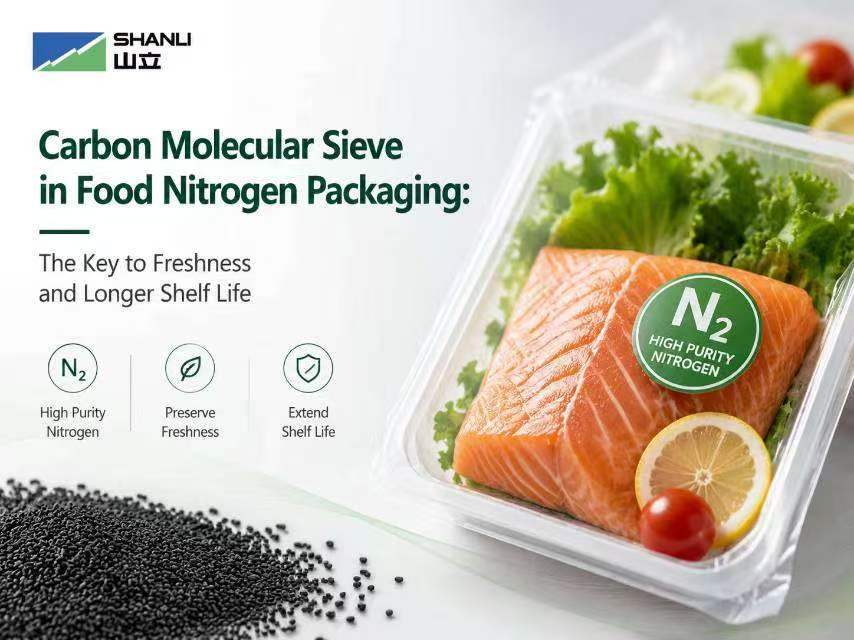
  • 식품 질소 포장에 사용되는 탄소 분자체: 신선도 유지 및 유통기한 연장의 핵심
    식품 질소 포장에 사용되는 탄소 분자체: 신선도 유지 및 유통기한 연장의 핵심 Jul 02, 2026
    오늘날 식품 산업에서 신선도를 유지하면서 유통기한을 연장하는 것은 매우 중요한 과제가 되었습니다. 소비자들은 과도한 방부제 없이 고품질의 제품을 기대하는 반면, 제조업체들은 비용 효율적이고 신뢰할 수 있는 포장 솔루션을 찾고 있습니다. 질소 포장은 식품 산업 전반에 걸쳐 가장 널리 채택된 보존 기술 중 하나가 되었습니다. 이 과정에서 압력 스윙 흡착(PSA) 시스템으로 생성된 고순도 질소가 중요한 역할을 합니다. 탄소 분자체(CMS) 이는 PSA 질소 생성을 가능하게 하는 핵심 흡착제입니다.  이 글에서는 탄소 분자체가 식품 질소 포장에 어떻게 활용되는지, 그리고 현대 식품 가공에 필수적인 소재가 된 이유를 살펴봅니다.  1. 식품 포장에 질소를 사용하는 이유 1.1 공기는 대략 다음과 같은 성분을 포함합니다:78% 질소산소 21%1% 기타 가스 1.2 이들 기체 중에서 산소는 다음의 주요 원인입니다:식품 산화맛의 상실색상 변화곰팡이 증식기름의 산패유통기한 단축 1.3 산소를 질소로 대체하면 질소의 특성으로 인해 이러한 분해 과정이 현저히 느려집니다.둔한냄새 없는무독성마른식품과 직접 접촉해도 안전합니다. 1.4 결과적으로 질소 플러싱은 다음과 같은 경우에 일반적으로 사용됩니다.감자칩커피차견과류분유애완동물 사료말린 과일간식베이커리 제품  2. 탄소 분자체는 어떻게 질소를 생성하는가탄소 분자체는 균일한 미세 기공을 갖도록 특별히 설계되었습니다.PSA 질소 발생기 내부에서 압축 공기는 CMS 베드를 통과합니다.CMS는 산소 분자를 선택적으로 흡착하는 반면 질소 분자는 통과시킵니다. 2.1 그 결과, 일반적으로 다음과 같은 순도 범위의 질소가 지속적으로 공급됩니다.95%99%99.5%99.9%시스템 설계에 따라 최대 99.999%까지 가능합니다. 2.2 액체 질소 공급 방식과 비교했을 때, 현장 PSA 질소 생성 방식은 다음과 같은 이점을 제공합니다:운영 비용 절감지속적인 질소 공급교통비 절감향상된 생산 유연성안전성 강화  3. 식품 포장에 PSA 질소를 사용하는 이점 3.1 더 긴 유통기한산소 함량이 낮으면 산화 속도가 느려져 식품의 품질을 더 오랫동안 보존할 수 있습니다. 3.2 더 나은 제품 외관질소는 포장 식품의 원래 색상과 질감을 유지하는 데 도움이 됩니다. 3.3 향상된 풍미 유지력커피 원두, 볶은 견과류, 차, 스낵류는 향과 맛을 훨씬 더 오래 유지합니다. 3.4 음식물 쓰레기 감소안정적인 포장 환경은 운송 및 보관 중 변질을 최소화합니다. 3.5 비용 절감현장에서 질소를 생산하면 가스 실린더나 액체 질소를 반복적으로 구매할 필요가 없어집니다.  4. 탄소 분자체 품질이 중요한 이유PSA 질소 발생기의 성능은 탄소 분자체의 품질에 크게 좌우됩니다. 4.1 고성능 CMS는 다음과 같은 기능을 제공합니다:높은 질소 수확량빠른 흡착 속도탁월한 산소 분리 능력안정적인 순도긴 수명먼지 발생량 적음공기 소모량 적음 4.2 품질이 낮은 CMS는 다음과 같은 결과를 초래할 수 있습니다.낮은 질소 순도에너지 소비량 증가잦은 교체유지보수 비용 증가  5. 식품 산업 애플리케이션에 적합한 CMS 선택 5.1 식품 포장용 탄소 분자체를 선택할 때 제조업체는 다음 사항을 고려해야 합니다.질소 순도 요구 사항질소 유량흡착 용량기계적 강도서비스 수명먼지 저항성PSA 장비와의 호환성신뢰할 수 있는 CMS 공급업체는 생산 효율성과 운영 비용을 최적화하는 데 도움을 줄 수 있습니다.  6. 결론질소 포장은 식품 산업 전반에 걸쳐 표준적인 보존 기술로 자리 잡았습니다. PSA 질소 발생기의 핵심 소재인 탄소 분자체는 효율적이고 경제적이며 지속적인 질소 생산을 가능하게 합니다. 고품질 CMS 질소 순도를 향상시킬 뿐만 아니라 운영 비용을 절감하고 식품 포장 시스템의 신뢰성을 높입니다. 스낵, 커피, 유제품 또는 애완동물 사료를 생산하든, 적합한 탄소 분자체를 선택하는 것은 제품 품질과 생산 효율성을 위한 중요한 투자입니다. 
  • 기공 크기(0.3nm/0.4nm/0.5nm)에 따른 탄소 분자체 선택 방법은 무엇일까요?
    기공 크기(0.3nm/0.4nm/0.5nm)에 따른 탄소 분자체 선택 방법은 무엇일까요? May 29, 2026
    선택할 때 탄소 분자체(CMS)기공 크기는 질소 순도와 적용 적합성을 결정하는 핵심 요소입니다. 1. 기공 크기의 실제 역할: 크기별로 기체 분자를 "체질"하는 것탄소 분자체는 불순물을 선택적으로 흡착하는 원리로 작동합니다. 압력 하에서 산소(운동 직경: 0.346nm)와 같은 작은 분자는 미세 기공으로 더 빠르게 확산되어 흡착되는 반면, 질소(0.364nm)는 더 느리게 확산되어 기체 상태로 남아 최종적으로 생성 가스로 포집됩니다. 기공 크기가 적절하지 않으면 요구되는 순도를 달성하지 못하거나 가스 생산 속도가 감소할 수 있습니다. 2. 일반적인 세 ​​가지 기공 크기의 응용 분야 모공 크기핵심 기능적합한 질소 순도일반적인 시나리오0.3nm수소와 헬륨처럼 아주 작은 분자를 분리합니다.-수소와 헬륨 같은 작은 분자들을 분리하세요0.4nm산소와 이산화탄소를 효율적으로 흡착합니다.99.5%-99.9%레이저 절단, 금속 열처리, 일반 산업용 질소 발생0.5nmL저순도 질소 세대95%-98%생산 속도가 순도보다 우선시되는 고유량, 저순도 응용 분야에 적합합니다.  3. 피해야 할 두 가지 흔한 선택 실수(1) 큰 기공 크기가 항상 더 좋은 것은 아닙니다. 0.5nm 체도 질소를 흡착하여 생산 속도를 감소시키고 전체 비용을 증가시킵니다.(2) 표준 질소 발생기의 기공 크기를 임의로 변경하지 마십시오. 기공 크기가 다르면 압력과 사이클 매개변수를 일치시켜야 합니다. 임의로 변경하면 시스템 성능 불균형이 발생합니다. 
  • 탄소 분자체를 사용하여 순도와 수율의 균형을 맞추는 방법은 무엇일까요?
    탄소 분자체를 사용하여 순도와 수율의 균형을 맞추는 방법은 무엇일까요? May 18, 2026
    1. 순도가 높을수록, 또는 수율이 높을수록 항상 더 좋은가요?반드시 그런 것은 아닙니다. 일반적으로 순도가 높을수록 수율이 낮아지고 공기 소모량이 증가하며 에너지 비용이 상승합니다. 공정에 99.9%의 질소만 필요한 경우 99.999%의 순도를 제공하는 체를 사용하는 것은 과도하며 불필요하게 비용이 많이 듭니다.수율에도 동일하게 적용됩니다. 최대 수율을 추구하면 순도 안정성이 저하되고 산소 투과가 발생하여 질소가 용도에 부적합해질 수 있습니다. 현명한 접근 방식은 먼저 공정에 필요한 최소 순도를 결정한 다음, 해당 순도 수준에서 최상의 수율을 제공하는 CMS를 선택하는 것입니다. 극단적인 사양을 쫓는 것은 피해야 합니다.  2. 순도가 높을수록 질소 수율이 감소하는 이유는 무엇입니까?탄소 분자체는 산소를 흡착하여 질소를 정화합니다. 극도로 높은 질소 순도가 요구되는 경우(예: 99.9%에서 99.999%로 향상), 분자체는 공급 공기에서 거의 모든 산소를 흡착해야 합니다.여기서 고려해야 할 사항은 다음과 같습니다. 필요한 질소의 순도가 높을수록 흡착된 산소를 제거하기 위해 더 많은 질소를 희생해야 합니다. 이는 체에 가해지는 흡착 부하를 증가시키는 반면, 실질적인 생산량은 감소시킵니다. 3.순도 대 수율 선택 가이드 (예: SLCMS-UEP) 압력청정N₂ 수율 (m³/h·t)공기/질소 비율일반적인 적용 사례메모0.7 MPa99.5%3252.6탄광 화재 예방, 탱크 불활성화, 곡물 저장높은 생산량, 낮은 순도99.9%2303.2레이저 절단, 식품 포장, 타이어 경화최고의 가성비99.99%1603.9전자제품 리플로우 솔더링, 화학 블랭킷팅높은 순도, 적당한 수율99.999%1005.4리튬 배터리 제조, 제약 분리순수함이 최우선입니다 핵심 요약:항상 실제 순도 요구 사항부터 시작하십시오. 그런 다음 해당 순도 수준에서 수율을 극대화하는 CMS를 선택하십시오. 이렇게 하면 불필요한 운영 비용 없이 안정적인 공정 성능을 보장할 수 있습니다. 저희에 대해 더 자세히 알고 싶으시면 클릭하세요.www.carbon-cms.com.
  • 탄소 분자체 저장
    탄소 분자체 저장 Feb 11, 2026
     핵심 구조 탄소 분자체 (CMS)는 조밀하게 배열된 미세 기공 채널로 구성되어 있으며, 이는 산소 흡착 및 질소 분리 능력에 매우 중요합니다. 이러한 독특한 구조 때문에 CMS는 본질적으로 "섬세"하며 습기와 기름 오염이라는 두 가지 주요 위협에 취약하므로 보관 시 이러한 요소로부터 보호하는 것이 최우선 과제입니다. 첫째, 수분입니다.탄소 분자체는 흡습성이 매우 강합니다. 공기에 단시간 노출되더라도 수증기를 빠르게 흡수하여 미세 기공이 수분 분자로 가득 차게 되는데, 이는 마치 물에 젖은 스펀지가 더 이상 다른 물질을 흡수할 수 없게 되는 것과 같습니다. 이러한 손상은 대부분 비가역적이며, 탄소 분자체의 흡착 용량을 30~50%까지 직접적으로 감소시키고, 심한 경우에는 완전히 사용할 수 없게 만듭니다.이러한 위험은 특히 중국 남부의 우기나 습도가 높은 해안 지역에서 높은데, 이 지역에서는 상대 습도가 80%를 초과하는 경우가 많습니다. 적절한 습기 보호 조치가 없으면 개봉하지 않은 CMS조차도 보관 중에 점차 성능이 저하될 수 있습니다. 둘째, 기름 오염은 습기보다 훨씬 더 해롭습니다.CMS의 미세 기공이 오일이나 그리스와 접촉하면 막히게 됩니다. 또한 오일은 입자 표면에 얇은 막을 형성하여 흡착 기능을 완전히 저해합니다. 이러한 "손상"은 재생으로는 복구할 수 없으며, CMS 전체를 교체해야 합니다.오일 오염은 저장 구역의 누출된 윤활유, 작업자의 손에 묻은 오일, 심지어 포장 용기에 남아 있는 잔류 그리스에서 발생할 수 있습니다. 극소량의 오일이라도 탄소 분자체에 치명적인 손상을 일으킬 수 있습니다. 또한, 보관 중 온도 조절 또한 매우 중요합니다.보관에 가장 적합한 온도는 5~40°C입니다.40°C 이상의 온도는 구조적 노화를 가속화하고 흡착 성능을 저하시킵니다.2°C 이하의 온도에서는 흡착된 수분이 얼어 팽창하여 미세 기공 구조를 손상시키고 입자를 파괴할 수도 있습니다. 요약하자면, CMS를 보존하는 핵심은 간단합니다.건조하고 깨끗하며 일정한 온도를 유지하고 습기와 기름으로부터 차단하십시오.이렇게 하면 원래의 흡착 성능이 극대화됩니다. 저희에 대해 더 자세히 알고 싶으시면 클릭하세요. www.carbon-cms.com.   
  • 탄소 분자체 분말화
    탄소 분자체 분말화 Jan 27, 2026
    분말화 탄소 분자체 (CMS)는 사용, 운송 또는 보관 중에 입자가 갈라지고 부서져 미세 분말을 형성하는 현상을 말합니다. 이는 CMS의 수명, 흡착 성능 및 장비 작동 안정성을 저해하는 심각한 문제이며, 특히 질소/산소 발생을 위한 압력 스윙 흡착(PSA) 공정에서 흔히 발생합니다.I. 주요 원인 분말1. 기계적 응력적재, 운송 및 보관 중 충격: 적재 중 고고도 낙하 및 운송 중 심한 충격은 CMS 입자 간의 충돌 및 압출을 유발하여 표면 손상 또는 내부 균열을 초래합니다. 이러한 균열은 이후 사용 시 확장되어 미세 분말을 형성합니다.베드 압력 차이 변동: PSA 공정에서 흡착 및 탈착 중 급격한 압력 변화는 CMS 베드의 반복적인 팽창 및 수축을 유발하여 입자 간 마찰을 증가시키고 장기간 반복 시 위축을 초래합니다. 또한, 과도하게 높은 가스 유속은 캐비테이션 현상을 일으켜 입자 표면을 마모시킵니다.장비 진동: 흡착탑 자체 및 보조 장비의 지속적인 진동이 CMS 베드에 전달되어 입자 마모를 가속화합니다. 2. 부적절한 작동 조건급격한 온도 변화: CMS는 열 안정성이 제한적입니다. 재생 과정 중 과도하게 높은 가열 온도(200℃ 이상) 또는 흡착탑 내부의 급격한 온도 상승 및 하강은 CMS 내부에 불균일한 열 응력을 발생시켜 격자 파손을 유발할 수 있습니다.수분 및 불순물의 영향: 공급 가스에 과도한 수분이 함유되면 CMS가 수분을 흡수하여 기공 구조가 팽창하고 입자 구조가 손상됩니다. 또한 수분은 불순물과 반응하여 부식성 물질을 생성하고 CMS 표면을 침식시킬 수 있습니다. 뿐만 아니라, 공급 가스에 포함된 오일, 먼지 및 기타 불순물은 CMS 기공을 막아 국부적인 과열이나 압력 집중을 유발하고 간접적으로 위축을 악화시킵니다.흡착제 포화 과부하: 흡착 포화 상태에 도달한 후 CMS를 적시에 탈착하지 못하면 기공 내에 흡착물 분자가 축적되어 내부 압력이 발생하고, 이로 인해 입자가 균열됩니다. 3. 제품의 고유한 품질 결함부적절한 성형 공정: 결합제 첨가량이 부족하거나 생산 과정에서 소성 온도 또는 시간을 제대로 제어하지 못하면 CMS 입자의 기계적 강도가 낮아지고 압축 및 내마모성이 떨어집니다.불균일한 입자 크기 및 기공 분포: 입자 크기의 과도한 차이 또는 결함 있는 기공 구조(예: 미세 기공의 집중 및 넓은 기공 크기 분포)는 입자의 구조적 안정성을 저하시켜 응력 하에서 균열이 발생하기 쉽게 만듭니다. II. 위축의 예방 및 해결 조치1. 보관, 운송 및 적재 프로세스 최적화운송 중 심한 충격을 방지하기 위해 충격 방지 포장을 채택하고, 충전 시 유동층 적재 또는 층상 저속 적재를 채택하며, 고층에서 떨어뜨리는 것을 엄격히 금지하고, 적재 후 다짐을 실시하여 충전층의 공극률을 줄여야 합니다.흡착탑 바닥에 스테인리스 스틸 와이어 메쉬와 석영 모래 쿠션을 깔고, 상단에 압력망 또는 탄성 글랜드를 설치하여 흡착층의 팽창 및 수축으로 인한 변위를 제한합니다. 2. 운전 조건을 엄격하게 관리하십시오급격한 압력 차이를 방지하기 위해 PSA 시스템의 압력 전환 속도를 안정화하고, 캐비테이션으로 인한 표면 손상을 방지하기 위해 공급 가스 유속을 설계 범위 내로 제어해야 합니다.과열을 방지하기 위해 재생 온도는 150℃~180℃ 사이로 유지해야 합니다. 공급 가스는 전처리(냉각, 탈수, 탈유, 집진)를 거쳐야 하며, 흡착탑으로 유입되는 가스의 이슬점은 -40℃ 미만이고 오일 함량은 0.01mg/m³ 미만이어야 합니다. 3. 고품질 탄소 분자체를 선택하십시오압축 강도가 높고(입자당 방사형 압축 강도 ≥100N) 내마모성이 우수한 제품을 우선시하고, 공급업체에게 성형 공정 및 강도 시험 보고서를 제공하도록 요구하십시오.작동 조건에 따라 적절한 입자 크기(예: 3~5mm 원기둥형 분자체)를 선택하여 입자 크기 불균일로 인한 응력 집중을 줄이십시오. 4. 정기 유지보수 및 모니터링흡착탑의 압력차, 생성 가스의 순도 및 필터 압력차를 정기적으로 점검하십시오. 필터 ​​압력차가 급격히 상승하는 것은 CMS 위축이 심화되고 있음을 나타내므로, 그 원인을 적시에 조사해야 합니다.축적된 미세 분말을 제거하기 위해 CMS 베드에 대한 정기적인 검사 및 청소를 수행하고, 위축이 심한 경우 CMS의 일부 또는 전체를 적시에 교체하십시오. III. P 이후 치료 계획가루가루가 심하게 날리는 경우에는 다음과 같은 조치를 취하십시오.1.환기 장비를 끄고 흡착탑 맨홀을 열어 흡착층 내부의 미세 분말과 손상된 입자를 청소하십시오.2.전처리 시스템(건조기, 필터)에 이상이 없는지 확인하고, 이상이 있는 부품은 수리하거나 교체하십시오.3.새로운 CMS를 보완하고 다시 로드 및 압축하여 균일한 베드를 확보하십시오.4.위축이 다시 발생하지 않도록 작동 매개변수(예: 압력 전환 시간 및 재생 온도)를 조정하십시오. 더 자세한 정보를 원하시면 다음 웹사이트를 방문하세요. www.carbon-cms.com.
  • 탄소 분자체 로딩 단계
    탄소 분자체 로딩 단계 Jan 08, 2026
     1. 시스템 종료, 압력 해제 및 전원 차단 작동먼저 질소 발생기 제어 시스템을 통해 시스템을 정지시키고, 압축기 출구 및 질소 발생기 입구 글로브 밸브를 닫은 다음, 모든 압력 게이지가 0으로 돌아올 때까지 압력 릴리프 밸브를 천천히 열어 압력을 해제하십시오. 마지막으로 시스템의 주 전원을 차단하고 "장비 정비 중, 전원 켜지 마시오" 표지판을 부착한 후, 압력이나 전기 작업으로 인한 위험을 방지하기 위해 특별 인력을 배치하십시오. 이 절차는 다음 장비에 적용됩니다. h고순도 질소 CMS.  2. 질소 배출 배관 분리 및 흡착탑 상부 덮개 제거질소 배출 배관과 흡착탑의 연결 방식을 확인하고, 적절한 공구를 사용하여 연결 부품을 대칭적으로 분리합니다. 분리 후 배관 연결부를 밀봉 플러그로 막아 이물질 유입을 방지합니다. 두 사람이 협력하여 흡착탑의 상덮개를 분리하고 안정적으로 설치한 후, 충돌로 인한 손상을 방지하기 위해 설치 위치를 기록해 둡니다.  3. 충전탑 내 사용후 탄소 분자체의 철저한 세척양동이나 진공청소기 같은 도구를 사용하여 사용한 것을 치우세요. 탄소 분자체 타워 내부의 잔여물을 특수 폐기물통에 수거하고, 구석에 남아 있는 잔여물은 저압 압축 공기로 제거하고 진공청소기를 이용하여 잔여물이 남지 않도록 해야 합니다. 작업자는 보호 장비를 착용하고, 작업 공간을 충분히 환기시키며, 사용 후 분자체는 규격에 따라 폐기해야 합니다.  4. 타워 내 철망 및 야자 매트의 건전성 검사타워 내부의 필터 와이어 메쉬가 손상되었거나 헐거워지지 않았는지, 메쉬 크기가 일치하는지 확인하십시오. 또한 밀봉 매트가 노후되었거나 손상되지 않았는지 확인하십시오. 문제가 있는 경우 동일 규격의 부품으로 즉시 교체하고, 고정 부품의 무결성을 점검하여 적재 밀봉성을 확보하고 분자체 누출을 방지하십시오.  5. 타워 내 잔류물 확인 및 장전 전 준비 작업잔류물이나 잔해가 없고 타워가 완전히 건조되었는지 다시 한번 확인하십시오. 물 얼룩이 있으면 제거하고 건조시키십시오. 새 탄소 분자체, 활성 알루미나 및 기타 재료와 로딩 도구를 미리 준비하여 재료가 건조하고 손상되지 않았는지, 도구가 정상 상태인지, 작업자가 적절하게 보호받고 있는지 확인하십시오.  6. 바닥 포장 및 층상 적재 준비타워 바닥에 새 야자잎 매트를 깔고 틈새 없이 단단히 고정합니다. 그 위에 활성 알루미나를 10~20cm 두께로 고르게 깔아줍니다. 깔린 부분이 평평하고 헐거워지지 않았는지 확인한 후, 탄소 분자체를 넣을 수 있도록 투입 호퍼(배출구가 타워 중앙까지 이어지도록)를 설치합니다.  7. 탄소 분자체 투입, 진동 다짐 및 상부 덮개 설치새로운 탄소 분자체를 투입 호퍼에 천천히 고르게 부어 넣고, 입자 파손을 방지하기 위해 공급 속도를 조절하십시오. 투입량이 타워 상단 거의 다 차면 진동 장비를 사용하여 5~10분간 모든 방향으로 진동시켜 다짐하십시오. 만약 가라앉는 부분이 있으면 즉시 재료를 보충하십시오. 마지막으로 타워 가장자리를 5~10cm 정도 넘을 때까지 재료를 채운 후, 상단에 깔개를 얹고 덮개를 단단히 덮은 다음 고정 볼트를 좌우 대칭으로 조여 밀봉이 잘 되도록 하십시오. 탄소 분자체에 대한 자세한 정보는 다음 웹사이트를 참조하십시오. www.carbon-cms.com.
  • 질소 발생기용 탄소 분자체에 대한 기술 요구 사항
    질소 발생기용 탄소 분자체에 대한 기술 요구 사항 Dec 15, 2025
    1. 안정적인 흡착 성능.그만큼 탄소 분자체 질소 발생기는 탁월한 선택적 흡착 능력을 갖춰야 하며, 장기간 운전하는 동안 흡착 성능과 선택성이 크게 변하지 않아야 합니다. 2. 균일한 품질과 일관된 입자 크기. 질소 발생기의 탄소 분자체는 균일한 입자 크기를 확보해야 합니다. 그래야 분자체 채널 내에서 가스 분자의 균일한 전달을 보장하고 "유선 효과" 및 "핫 스팟 효과"와 같은 현상을 방지할 수 있습니다. 3. 넓은 비표면적과 균일한 기공 크기 분포. 질소 발생기의 탄소 분자체는 넓은 비표면적과 적절한 기공 크기 분포를 가지고 있어 흡착 용량을 증가시키고 흡착 속도를 향상시킵니다. 4. 뛰어난 내열성 및 내화학성. 질소 발생기의 탄소 분자체는 일정 수준의 내열성 및 내화학성을 가져야 하며, 고온, 고압 및 유해 가스 환경에서 장기간 사용할 수 있어야 합니다. 5. 저렴한 비용과 높은 안정성. 질소 발생기의 탄소 분자체는 산업 응용 분야의 요구 사항을 충족하기 위해 가격이 비교적 저렴하고 내구성이 뛰어나며 장기적인 안정성을 갖춰야 합니다. 더 자세한 정보를 원하시면 클릭하세요. www.carbon-cms.com.
  • 탄소 분자체란 무엇인가요?
    탄소 분자체란 무엇인가요? Nov 10, 2025
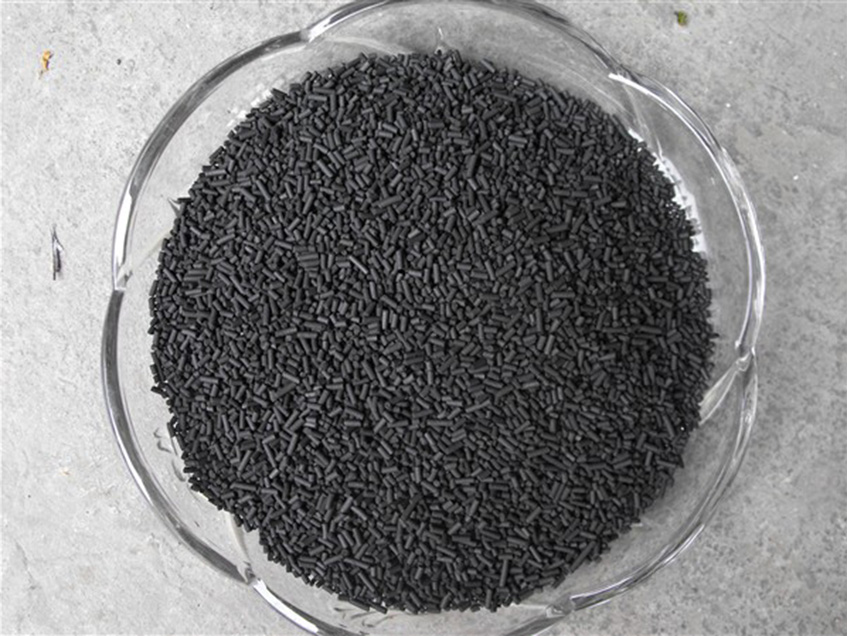
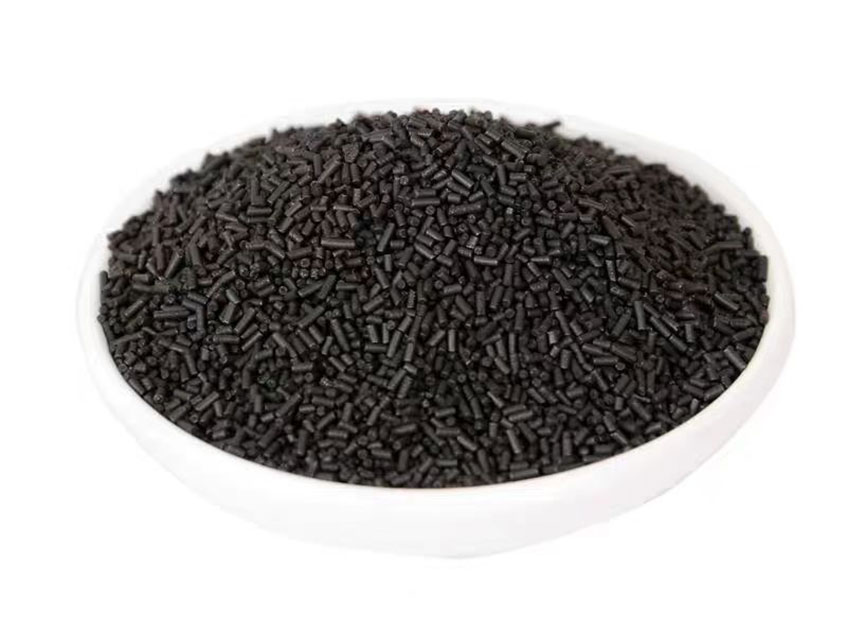
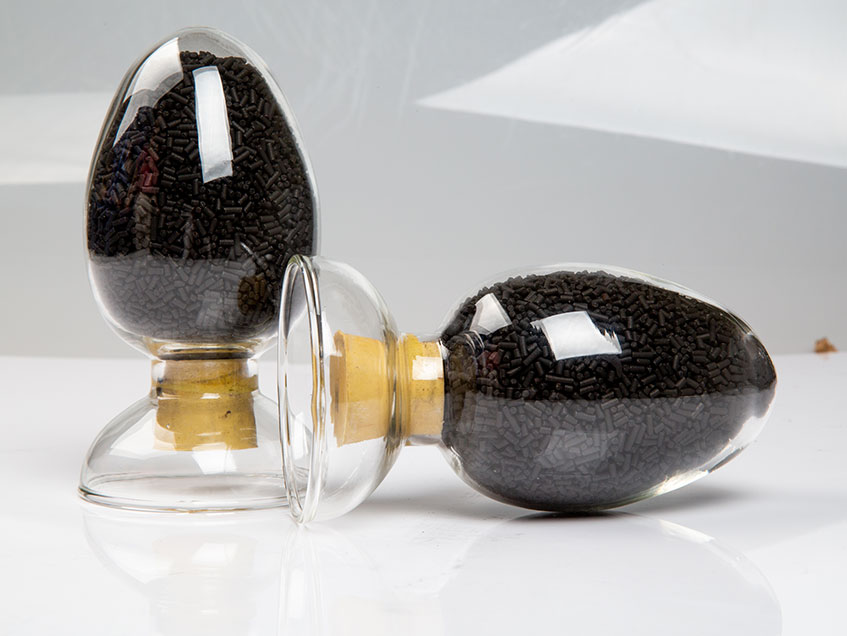
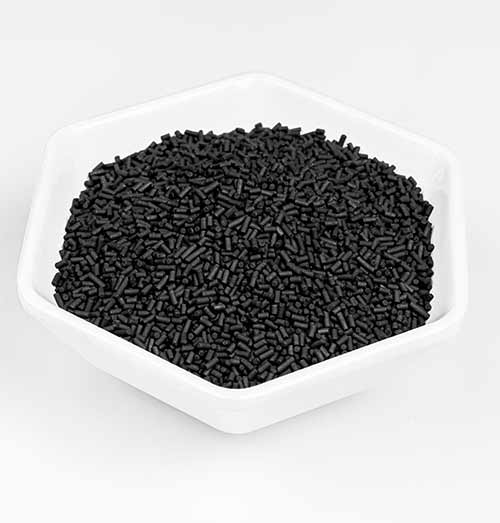
    탄소 분자체 1970년대에 개발된 새로운 유형의 흡착제입니다. 이는 우수한 비극성 탄소 기반 셀룰로오스 소재의 일종입니다.. 탄소 분자체의 주성분은 원소 탄소이며, 외관은 다음과 같습니다. 검은색 기둥형 솔리드이 물질은 직경 4옹스트롬의 미세 기공이 다수 포함되어 있으며, 이 미세 기공은 산소 분자에 대한 강한 순간 친화력을 가지고 있어 공기 중 산소와 질소를 분리하는 데 사용할 수 있습니다. 질소 분리에는 상온 저압 질소 생산 공정을 사용하는데, 이는 기존의 극저온 고압 질소 생산 공정에 비해 투자 비용이 적고 생산 속도가 빠르며 질소 비용이 저렴하다는 장점이 있습니다. 따라서 현재 압력 스윙 흡착(PSA) 방식 중 가장 선호되는 방식입니다. (PSA) 질소가 풍부한 흡착제 엔지니어링 산업 분야의 공기 분리용으로 사용됩니다. 탄소 분자체는 화학 산업, 석유 및 가스 산업, 전자 산업, 식품 산업, 석탄 산업, 제약 산업, 케이블 산업 및 금속 산업에서 열처리, 운송 및 저장에 널리 사용됩니다.탄소 분자체에 대한 자세한 정보는 다음 웹사이트를 참조하십시오. www.carbon-cms.com. 
Qianjiang Industrial Zone, Guichi district chizhou city, Anhui province, China
빠른 링크
구독하다

계속 읽어주시고, 최신 소식을 받아보시고, 구독해주세요. 여러분의 의견을 들려주시면 감사하겠습니다.

제출하다
f

저작권 @ 2026 Chizhou Shanli Molecular Sieve Co., Ltd. 모든 권리 보유. 네트워크 지원

블로그 사이트맵 Xml 개인정보 보호정책

메시지를 남겨주세요

메시지를 남겨주세요
저희 제품에 관심이 있으시고 자세한 내용을 알고 싶으시다면, 여기에 메시지를 남겨주세요. 최대한 빨리 답변해 드리겠습니다.
제출하다

제품

문의하기

Start a Conversation

Hi! Click one of our members below to chat on